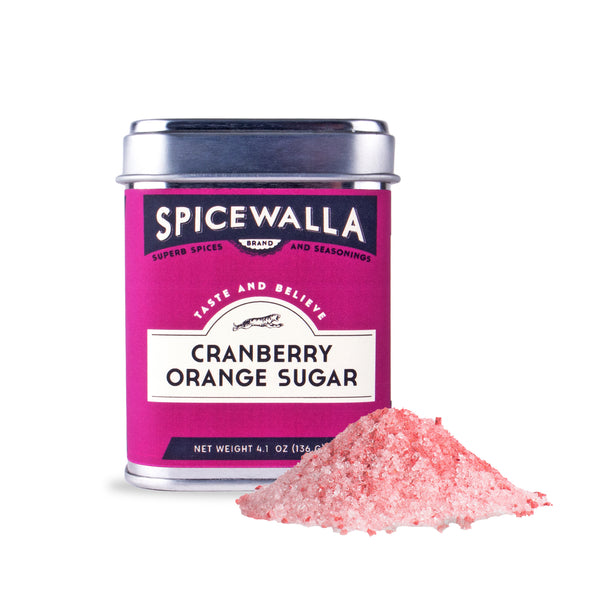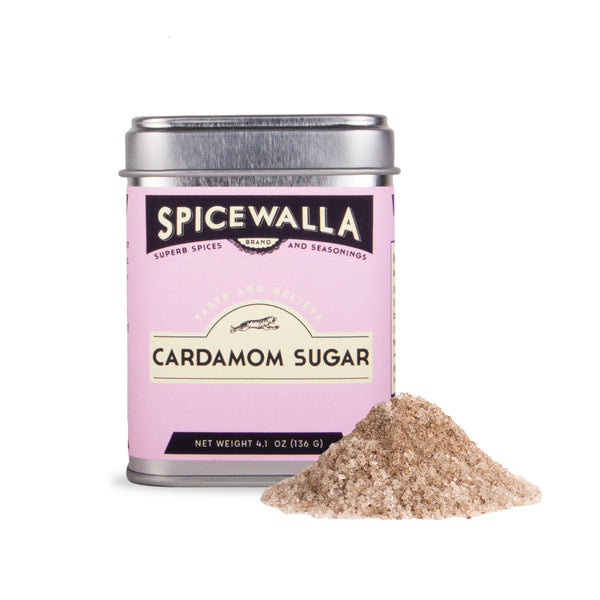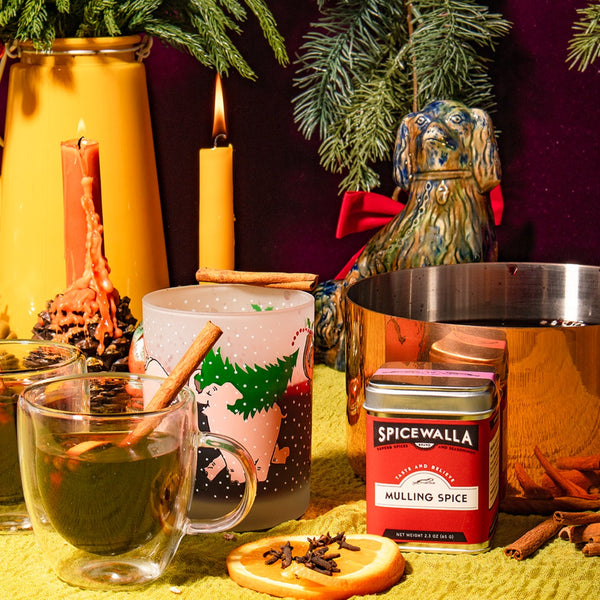
Gift Tins
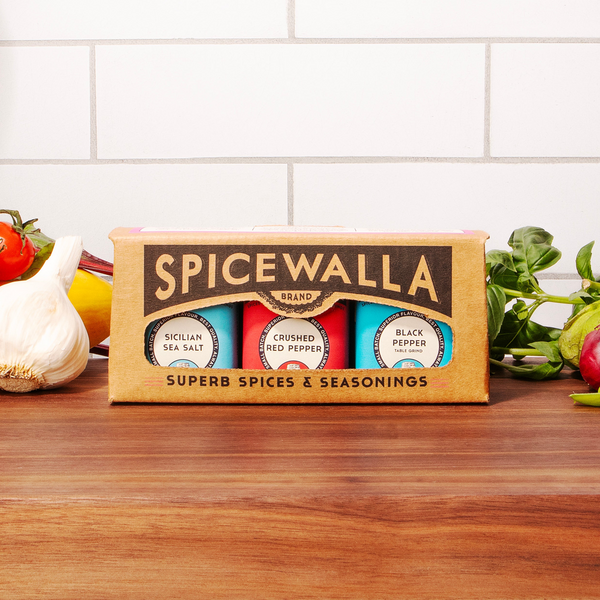
3 Pack Kitchen Essentials Collection
No. 001The counter is openMilled this week in Humble, Texas
Ground on Tuesday.
On your shelf by Friday.
We buy whole spices from growers we can name, mill them in small batches in Humble, and stamp the date on the tin. Nothing sits in a warehouse learning to taste like dust.
170 tins in the ledger
8 kitchens covered
Free shipping over $45
Est. 2016
02
Five departments,
one long shelf
Sorted the way we actually reach for things while cooking.
01
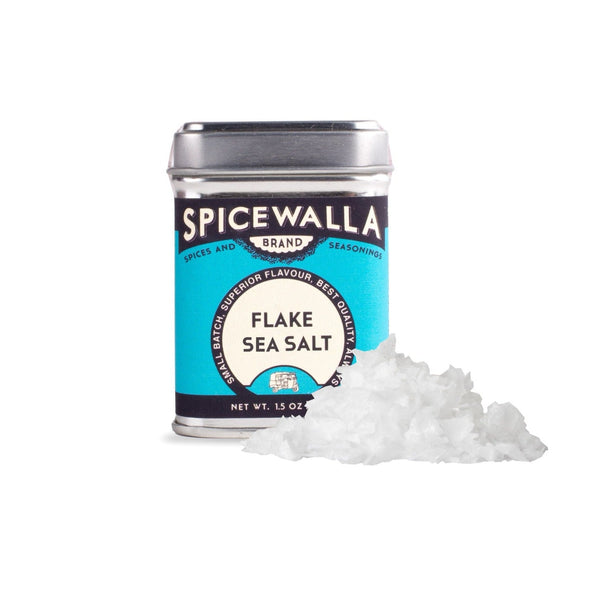
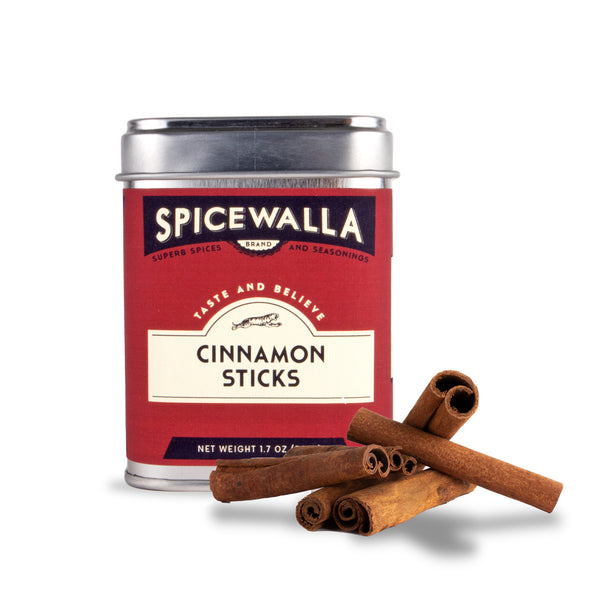
Single Spices
One ingredient, milled or whole. Nothing hiding behind it.
 70 tins →
02
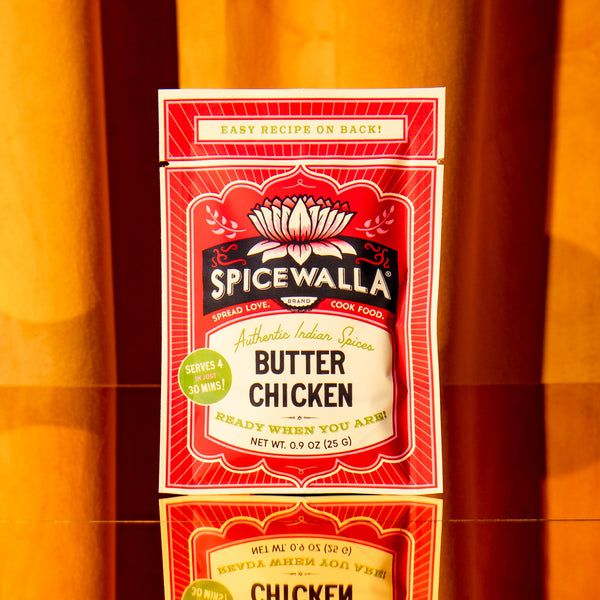
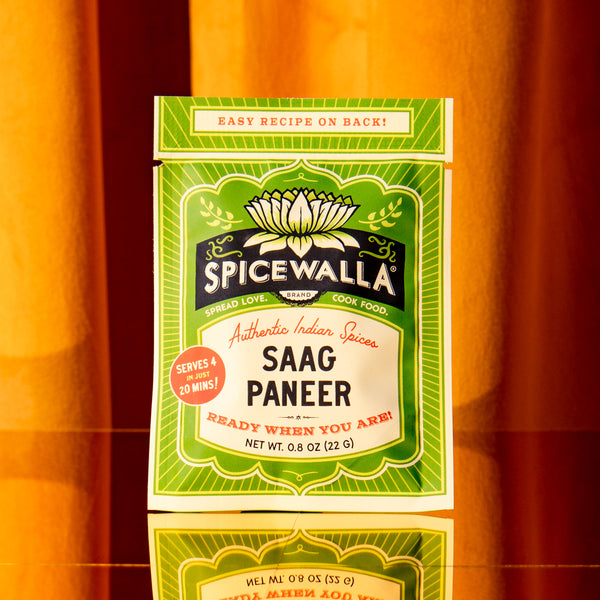
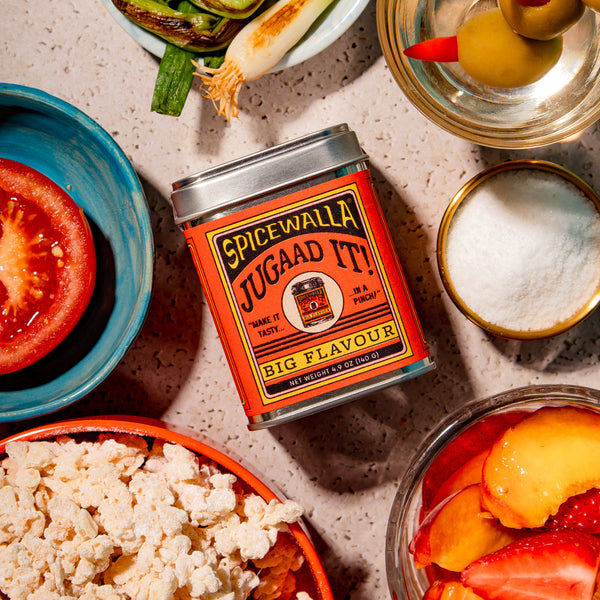
Blends plus Rubs
Built in the kitchen, tested on dinner, then tinned.
70 tins →
02
Blends plus Rubs
Built in the kitchen, tested on dinner, then tinned.
 42 tins →
03
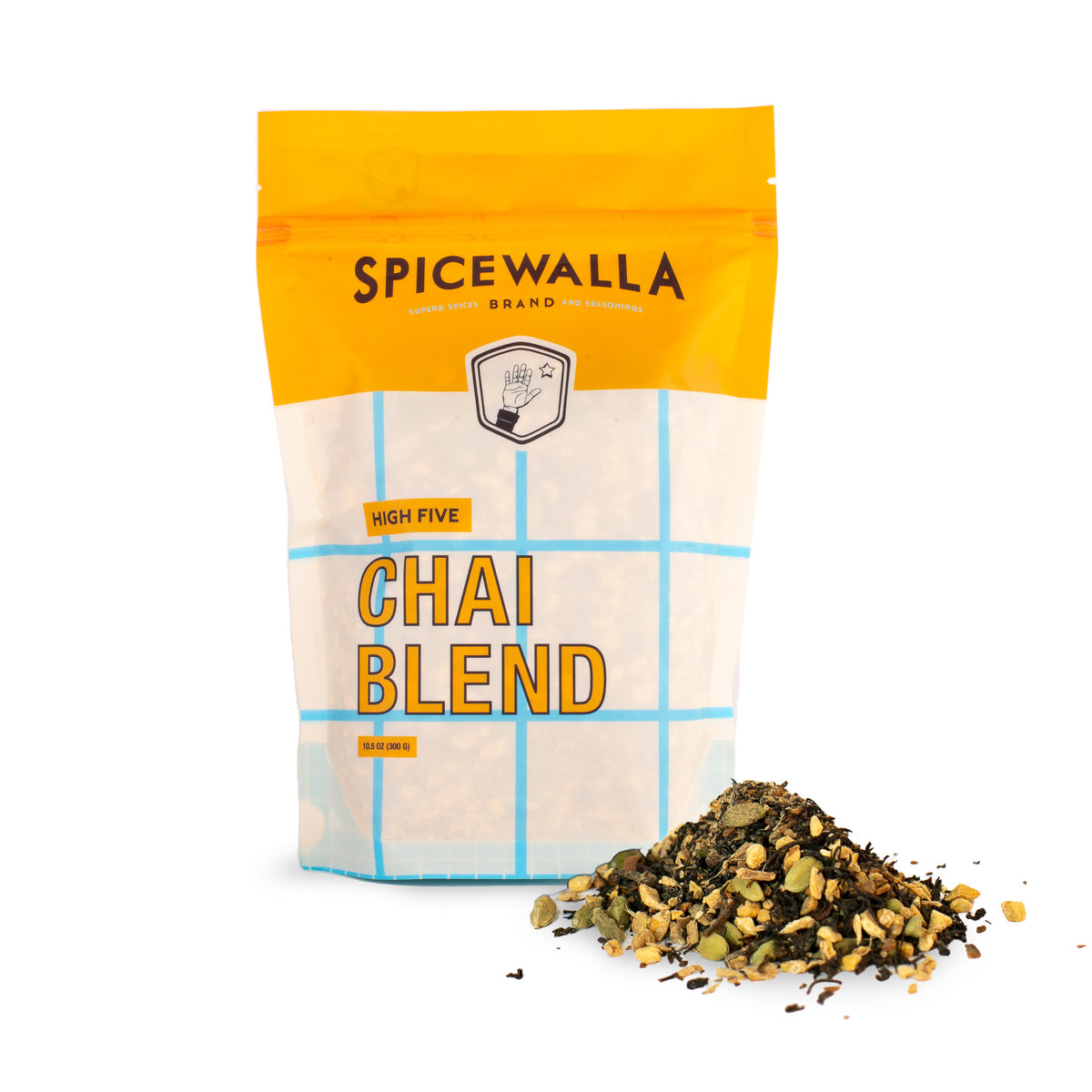
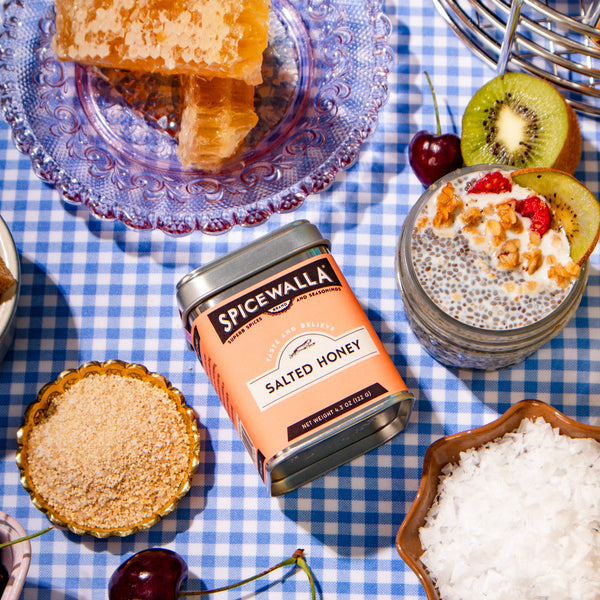
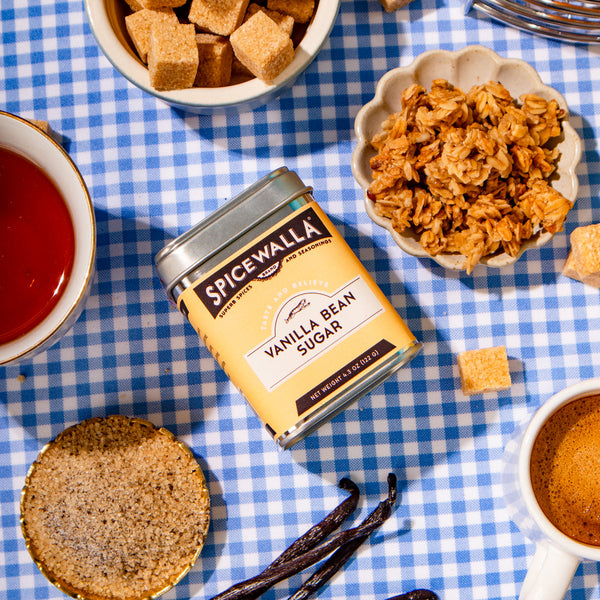
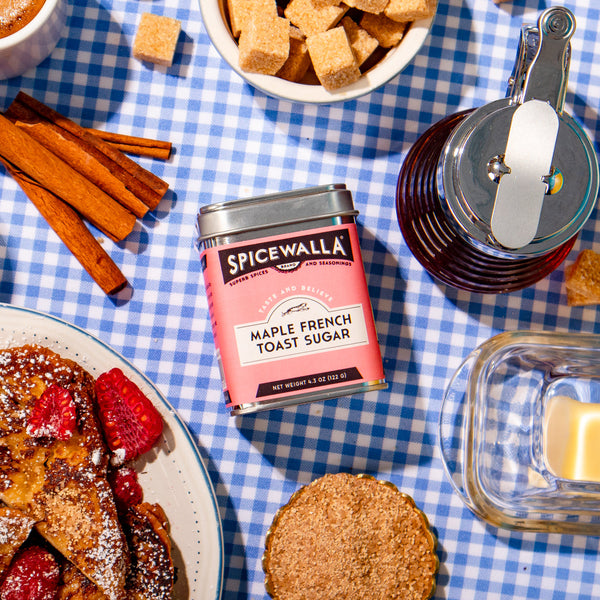
Chai Bar
Chai, cocoa, sugars, honey. The sweet end of the shelf.
42 tins →
03
Chai Bar
Chai, cocoa, sugars, honey. The sweet end of the shelf.
 19 tins →
04
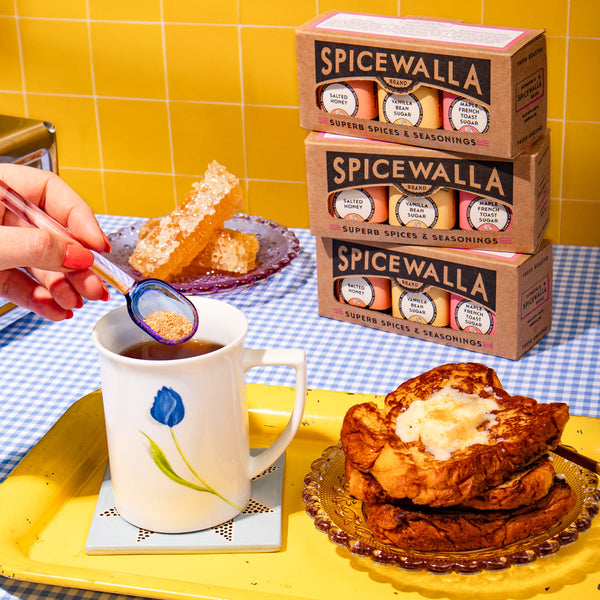
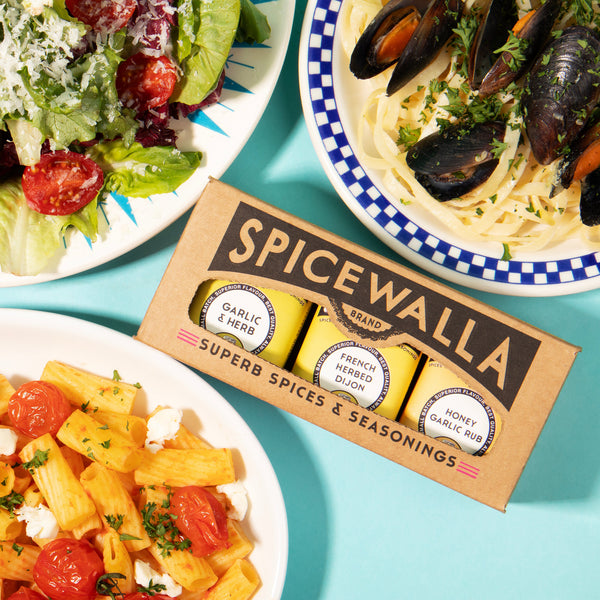
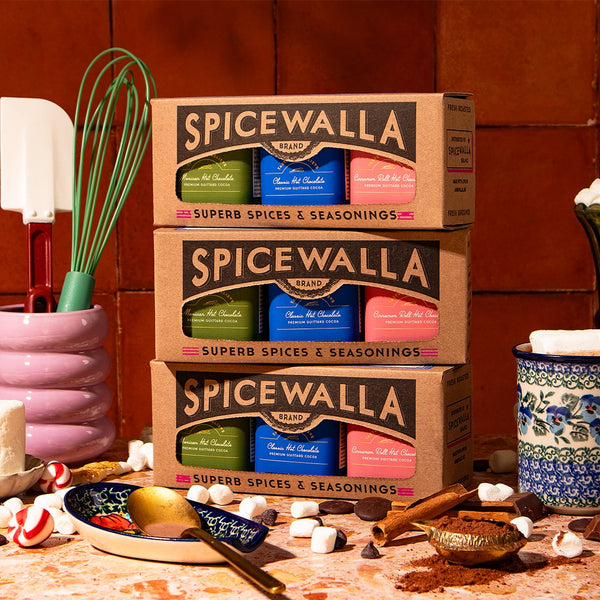
Gift Tins
Three, six, ten or eighteen tins in one box.
19 tins →
04
Gift Tins
Three, six, ten or eighteen tins in one box.
 25 tins →
05
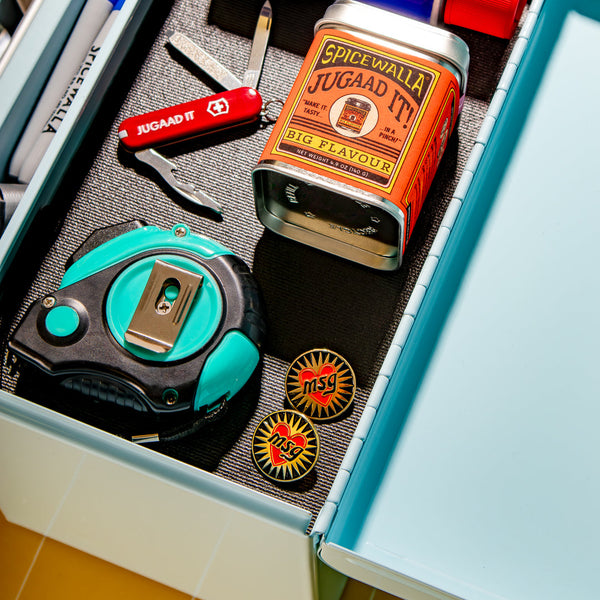
Counter Goods
Tees, totes, pins. Things that are not spice.
25 tins →
05
Counter Goods
Tees, totes, pins. Things that are not spice.
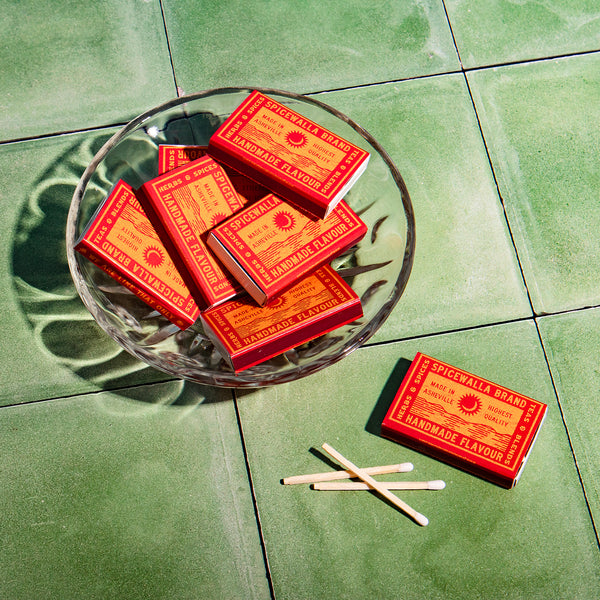
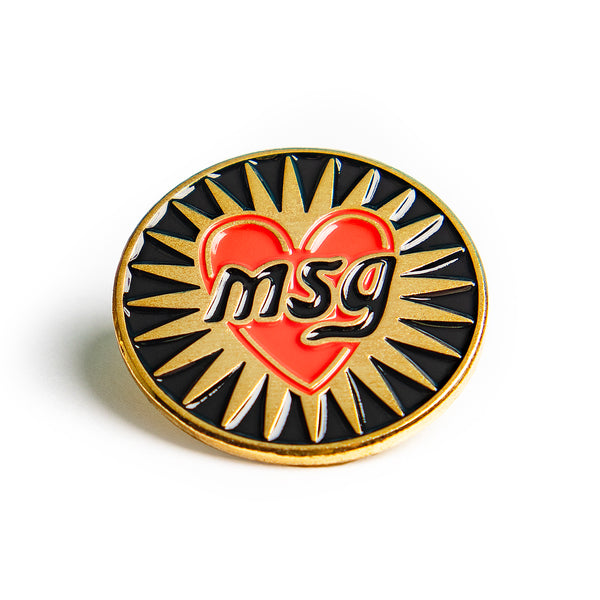 14 tins →
70 tins →
02
Blends plus Rubs
Built in the kitchen, tested on dinner, then tinned.
42 tins →
03
Chai Bar
Chai, cocoa, sugars, honey. The sweet end of the shelf.
19 tins →
04
Gift Tins
Three, six, ten or eighteen tins in one box.
25 tins →
05
Counter Goods
Tees, totes, pins. Things that are not spice.
14 tins →
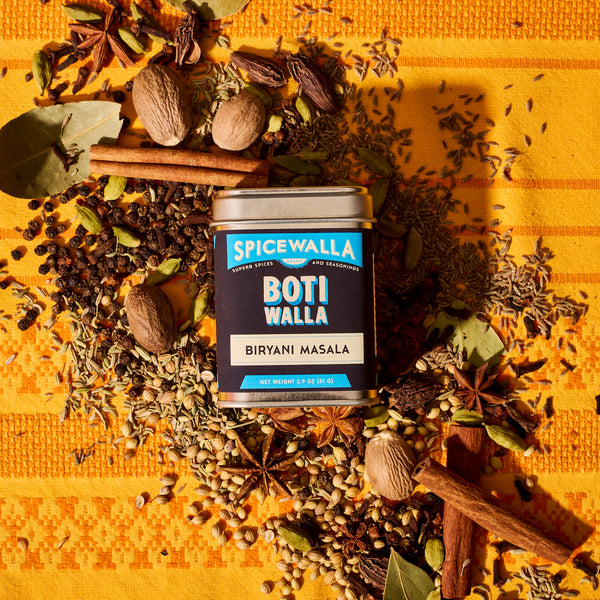
Blends plus Rubs · Gentle
Botiwalla Biryani Masala
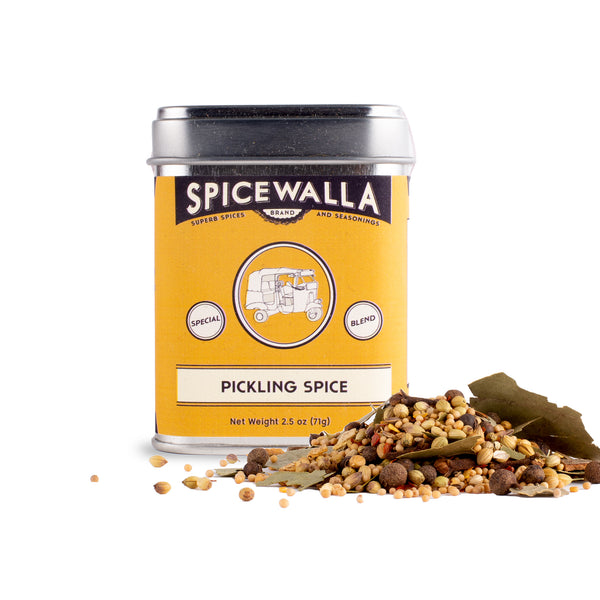
Single Spices · Warm
Pickling Spice
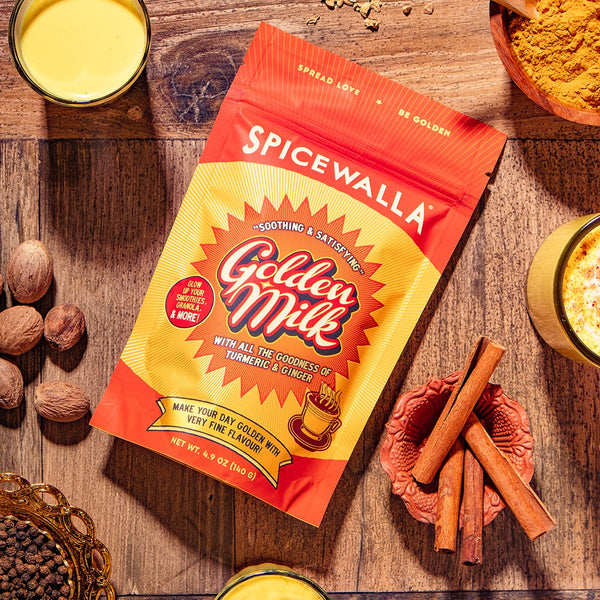
Chai Bar · Gentle
Golden Milk
Blends plus Rubs
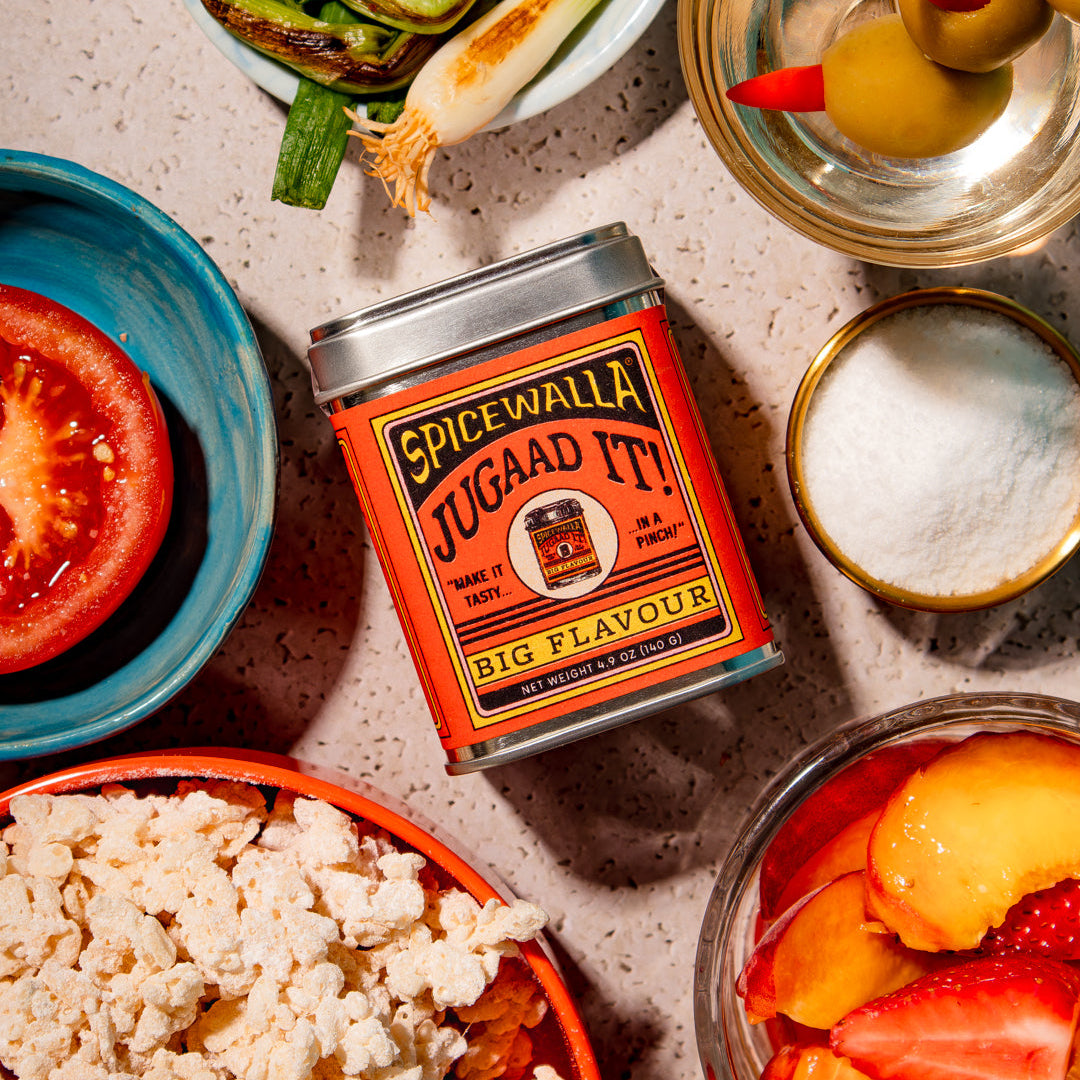
Jugaad It!
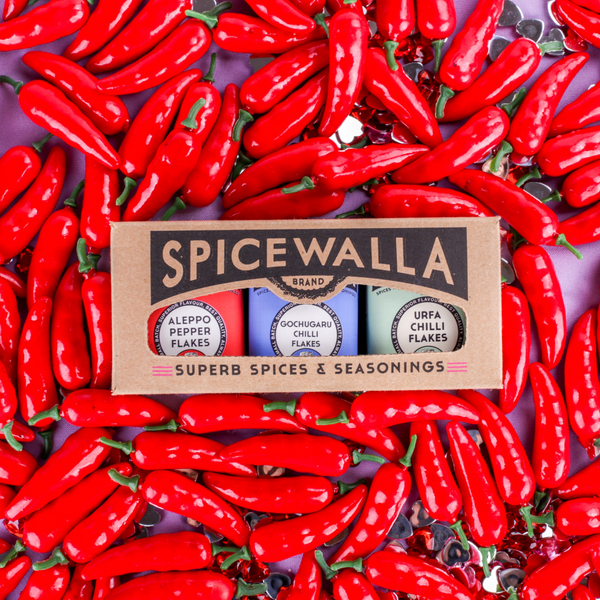
Gift Tins · Warm
3 Pack Hot Stuff Chilli Collection
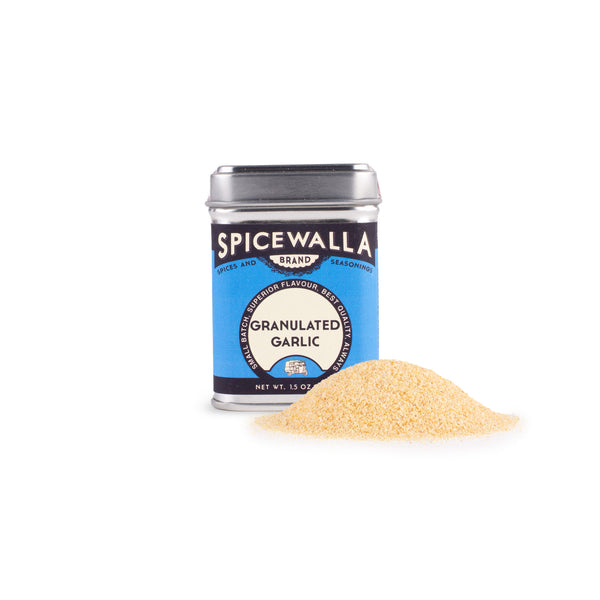
Single Spices
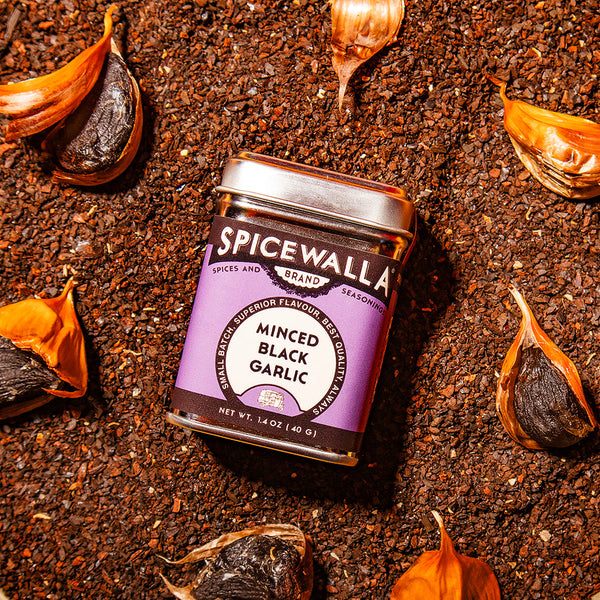
Garlic, Granulated
Chai Bar
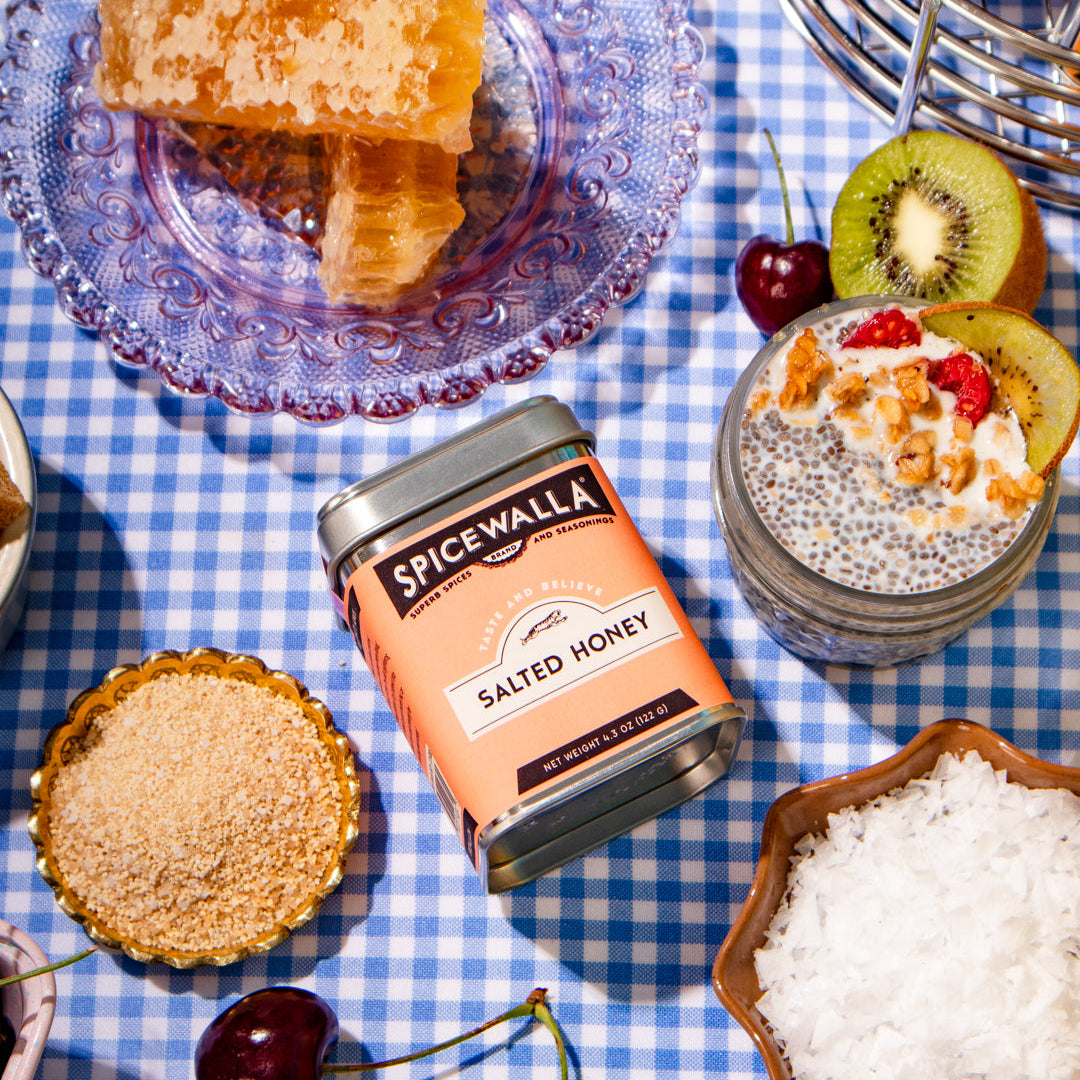
Salted Honey
04
How a tin
gets here
01
We buy whole, never ground
Ground spice starts losing the oils that make it worth buying within weeks. We buy seed, bark and pod, and we buy it from people who answer the phone.
02
We mill on a Tuesday
Small batches on a stone burr mill at our Humble counter. Enough for the week, not enough for a warehouse.
03
We date the lid
Every tin carries the day it was milled. If it has been sitting more than four months, we pull it and cook with it ourselves.
04
The tin comes back
Bring the empty in and we refill it for a dollar less. Sixty-eight percent of our tins are on their second life or later.
05
The heat index
Everything on the shelf that will make somebody at the table put down their fork.
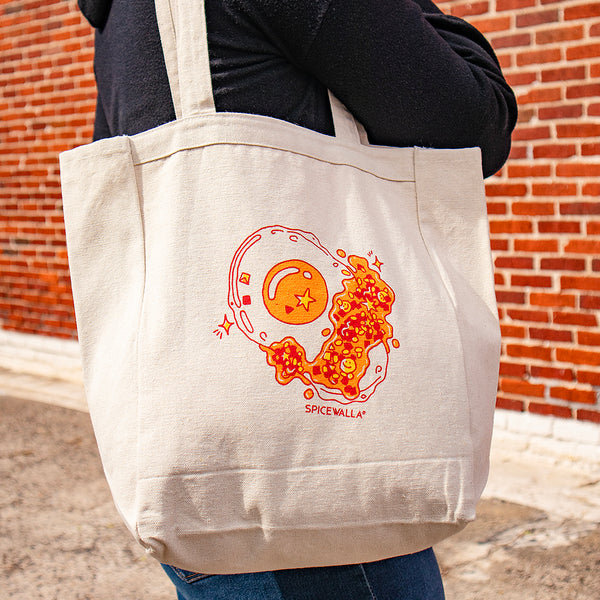
Counter Goods · Warm
Tiffin Row Chilli Crisp Fried Egg Tote
Blends plus Rubs · Warm
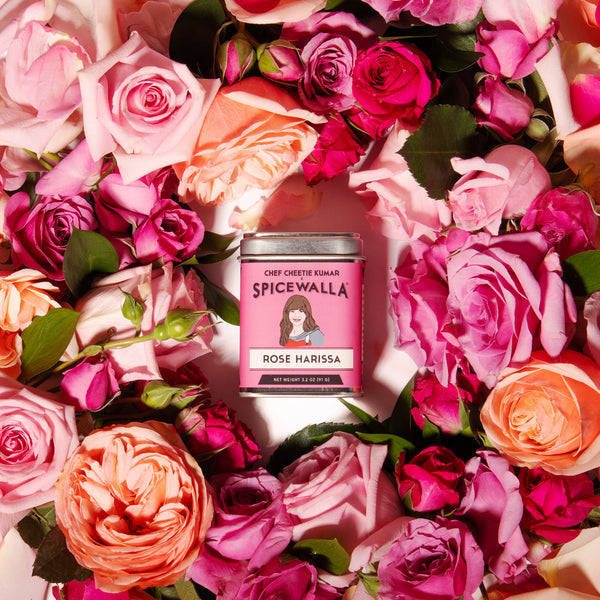
Chef Cheetie Kumar's Rose Harissa
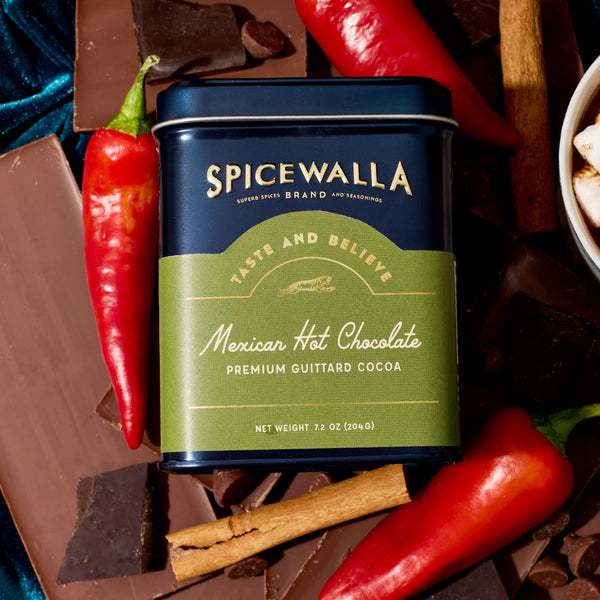
Chai Bar · Warm
Mexican Deluxe Hot Chocolate
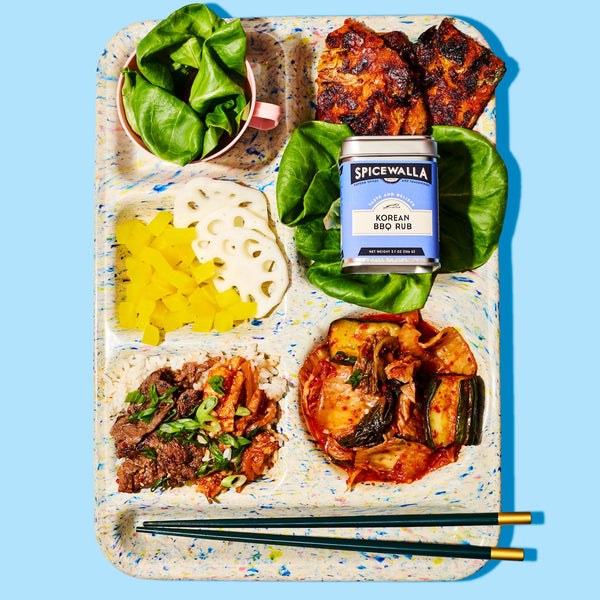
Blends plus Rubs · Warm
Korean BBQ Rub
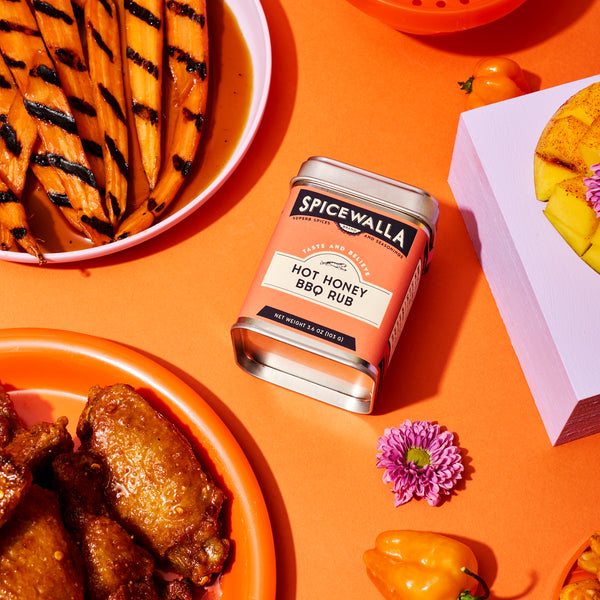
Chai Bar · Warm
Hot Honey BBQ Rub
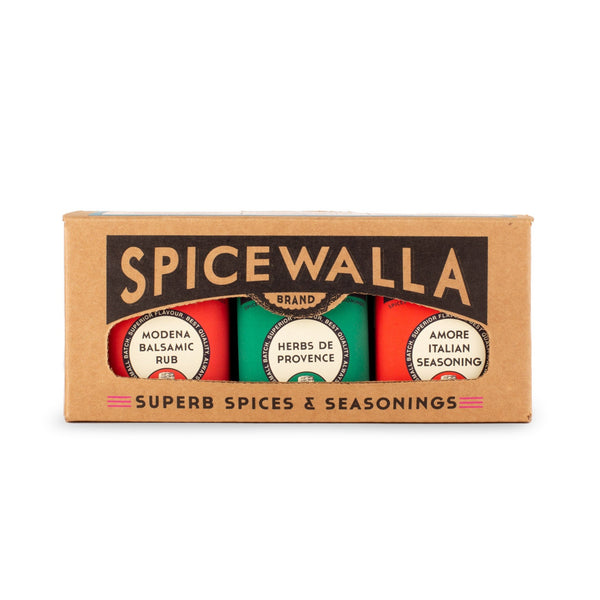
Gift Tins · Warm
3 Pack Mediterranean Collection
Gift Tins · Warm
3 Pack Hot Stuff Chilli Collection
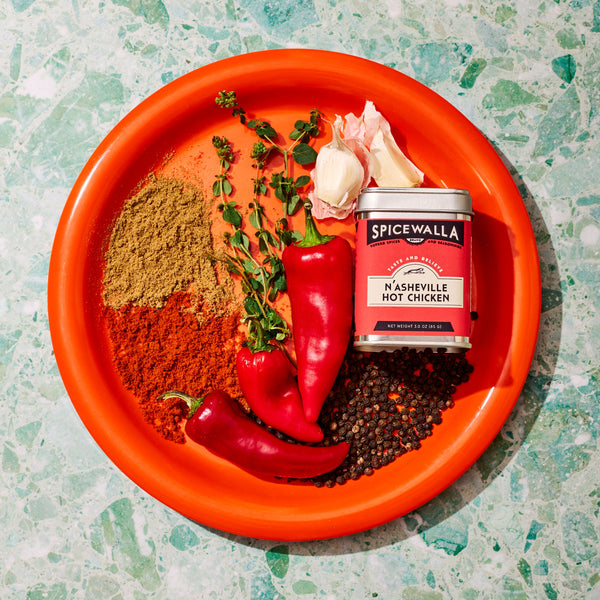
Blends plus Rubs · Warm
N'Humble Hot Chicken Seasoning
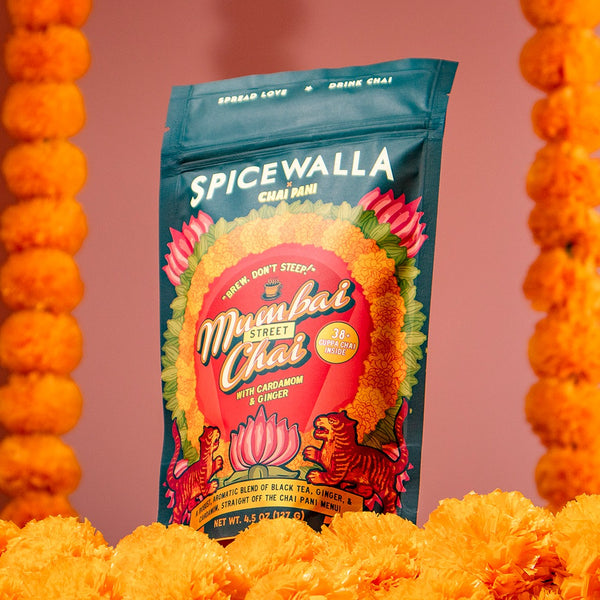
Chai Bar
Tiffin Row Mumbai Street Chai

Counter Goods
Tiffin Row Sweatshirt in Navy
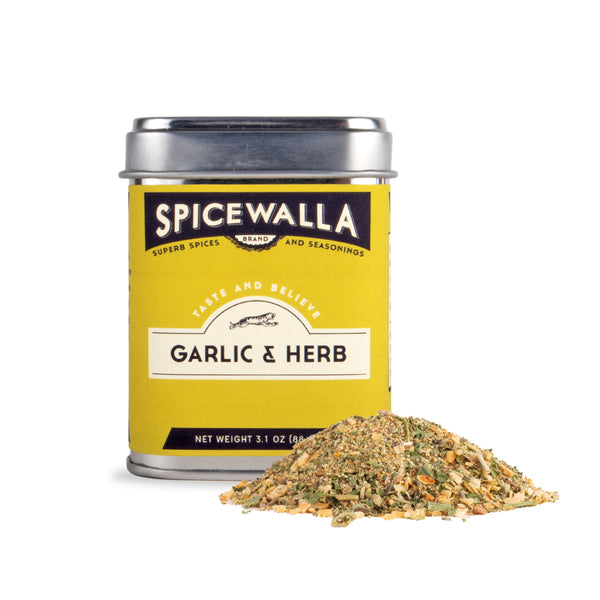
Blends plus Rubs · Gentle
Garlic and Herb Seasoning
Chai Bar
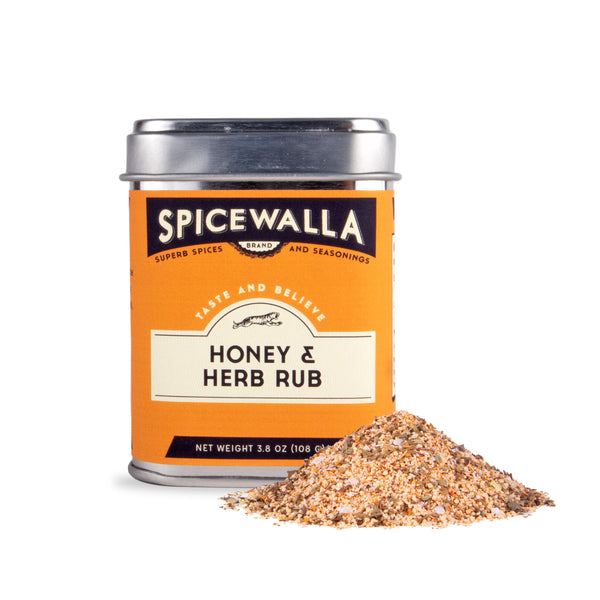
Honey and Herb Rub
Gift Tins
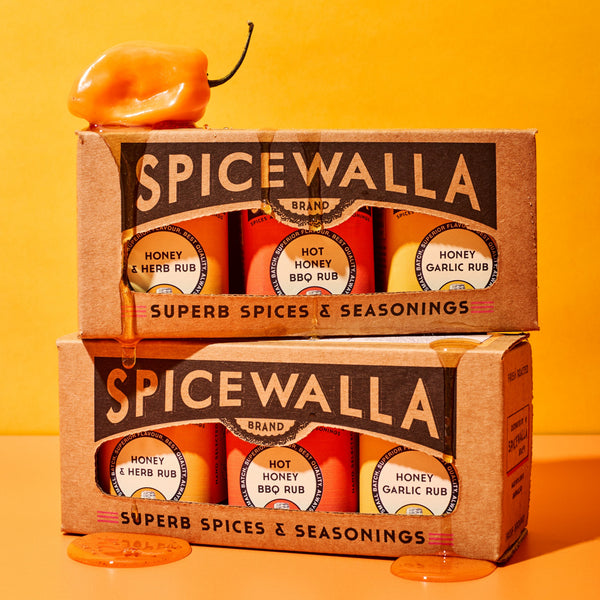
3 Pack Honey Collection
Blends plus Rubs · Warm
Korean BBQ Rub
Chai Bar · Warm
Hot Honey BBQ Rub
Gift Tins
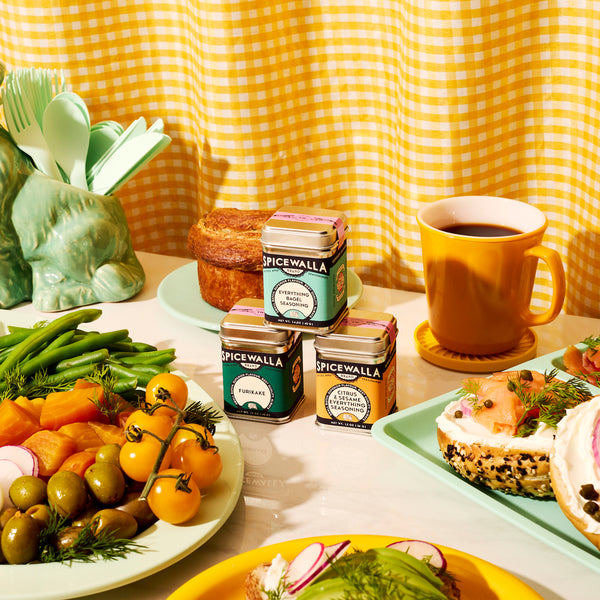
3 Pack Everything Collection
Blends plus Rubs
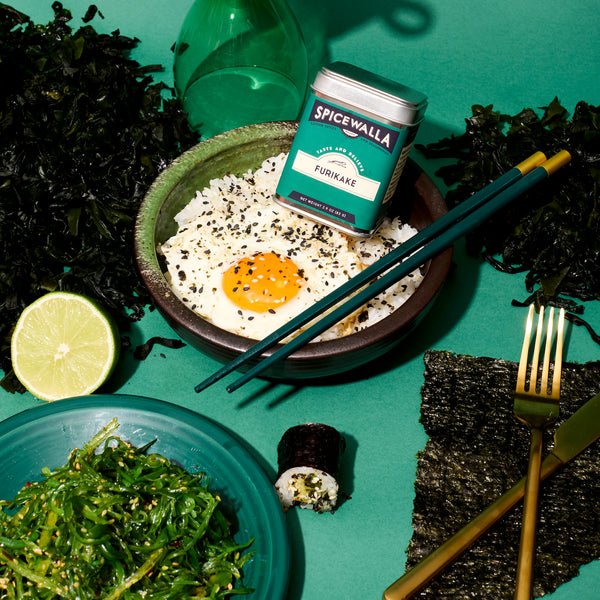
Furikake
Gift Tins
3 Pack Kitchen Essentials Collection
07
On the record
Things people have said about the counter. All three publications are invented for this build.
“The only cumin I have bought twice in a row without checking the label first.”Mesa Quarterly, issue 14
“They put the milling date on the lid. Once you see it, you cannot unsee the jars in your cupboard.”The Roasting Pan, ep. 208
“A spice counter that argues with you about grind size. Affectionately.”Ledger of Small Batch
08
Boxed up
Three, six, ten or eighteen tins in one go. Nobody has ever complained about receiving spice.
Gift Tins
3 Pack Signature Sugar Collection
Gift Tins
3 Pack Garlic Lover's Collection
Gift Tins · Gentle
3 Pack Haute Chocolate Collection
Gift Tins
3 Pack Honey Collection
No. 09 — The Mill Log
One letter a month.
What we milled, what we cooked.
No countdown timers, no "last chance". Just the week's milling list, one recipe that worked, and the occasional apology for selling out of black cardamom again.
Unsubscribe in one click · We never sell the list